

Kurashiki, Okayama
GRAPE SHIP is a winery rooted in Funao, Kurashiki, Okayama. Founded by winemaker Kazunori Matsui, who transitioned from a career as a French chef into viticulture and winemaking, the estate is guided by a clear and enduring mission: to carry Muscat of Alexandria—cultivated in Funao for more than 130 years—into the next generation. Blessed with abundant sunshine, revitalized from abandoned greenhouses, committed to organic farming, and designed around gravity-flow vinification, GRAPE SHIP exists to express the pure character of grapes and the terroir of Japan.
Kazunori Matsui, winemaker at GRAPE SHIP, graduated from Tsuji Gakuen Culinary College in 2001. Until 2010, he worked as a French chef in restaurants in Osaka and Kobe, refining his skills in professional kitchens. During this period, he spent approximately one year studying in France, where his path would quietly begin to change.
While in France, he encountered the world of winemaking. Immersed in culinary culture and surrounded by vineyards and producers, he became deeply fascinated by wine—not only as a beverage, but as an agricultural and cultural expression shaped by land and climate.
After returning to Japan, he resumed work in restaurants. Yet he could not forget wine—and by extension, the grapes themselves. The desire to work at the source rather than the table continued to grow within him.
One day, he noticed an advertisement recruiting new farmers in Funao, Kurashiki, Okayama—his hometown. The moment he saw it, he immediately applied. That decision marked the beginning of a new chapter.

In 2010, he received agricultural training. By 2012, he had begun cultivating grapes himself. In 2017, he joined Hirotake Ooka, founder and winemaker of La Grande Colline in France’s Rhône region, in establishing a winery in Japan. Following this experience, he founded GRAPE SHIP, and in 2021, his own winery was completed. His journey from chef to winemaker was not abrupt but carefully built over time, with each stage forming the foundation of his philosophy today.
Okayama is known as the “Land of Sunshine” because of its very low rainfall. It enjoys some of the highest sunshine hours and sunlight exposure in Japan. As a grape-growing region, there are few places in the country more naturally suited to viticulture.
In recent years, however, an increasing number of grape growers have abandoned their vineyards and greenhouses due to aging and the reduction of farm sizes. Faced with the possibility that such exceptional sites and facilities would be left unused, Matsui chose to take over one of the disused greenhouses and begin cultivating wine grapes organically.
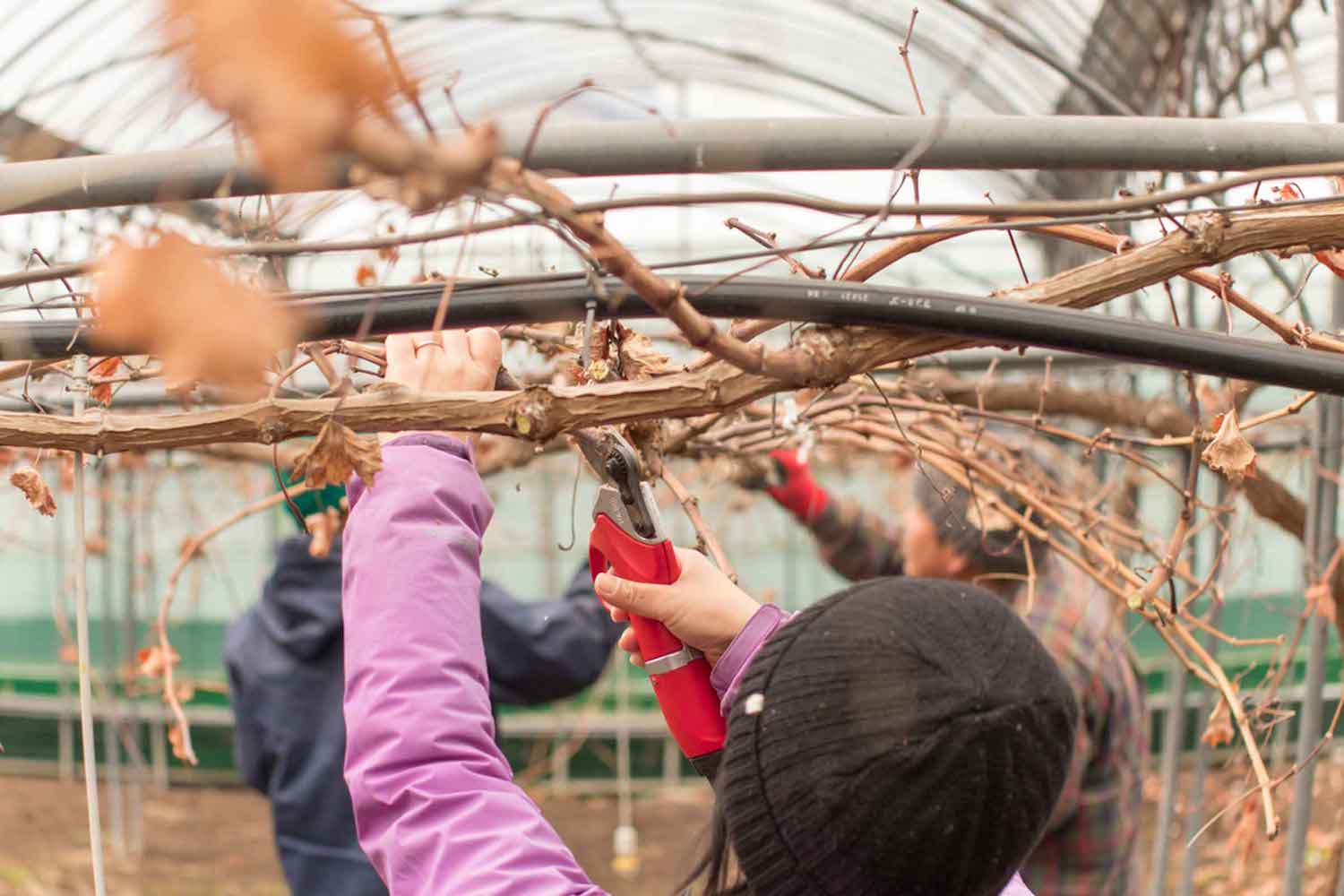
The soil is neither overly dry nor heavy and sticky, but balanced between the two. It is characterized by well-drained sandy loam. Although yields are not high, the grapes are notably expressive, with sweetness and aroma concentrated within each berry.
The vineyard covers a total of 1.5 hectares. Within this area, Sauvignon Blanc, Chenin Blanc, Marsanne, Syrah, Grenache, Shokoshi—an indigenous Japanese variety—and Muscat of Alexandria are cultivated. Among these, Matsui places particular emphasis on Muscat of Alexandria.
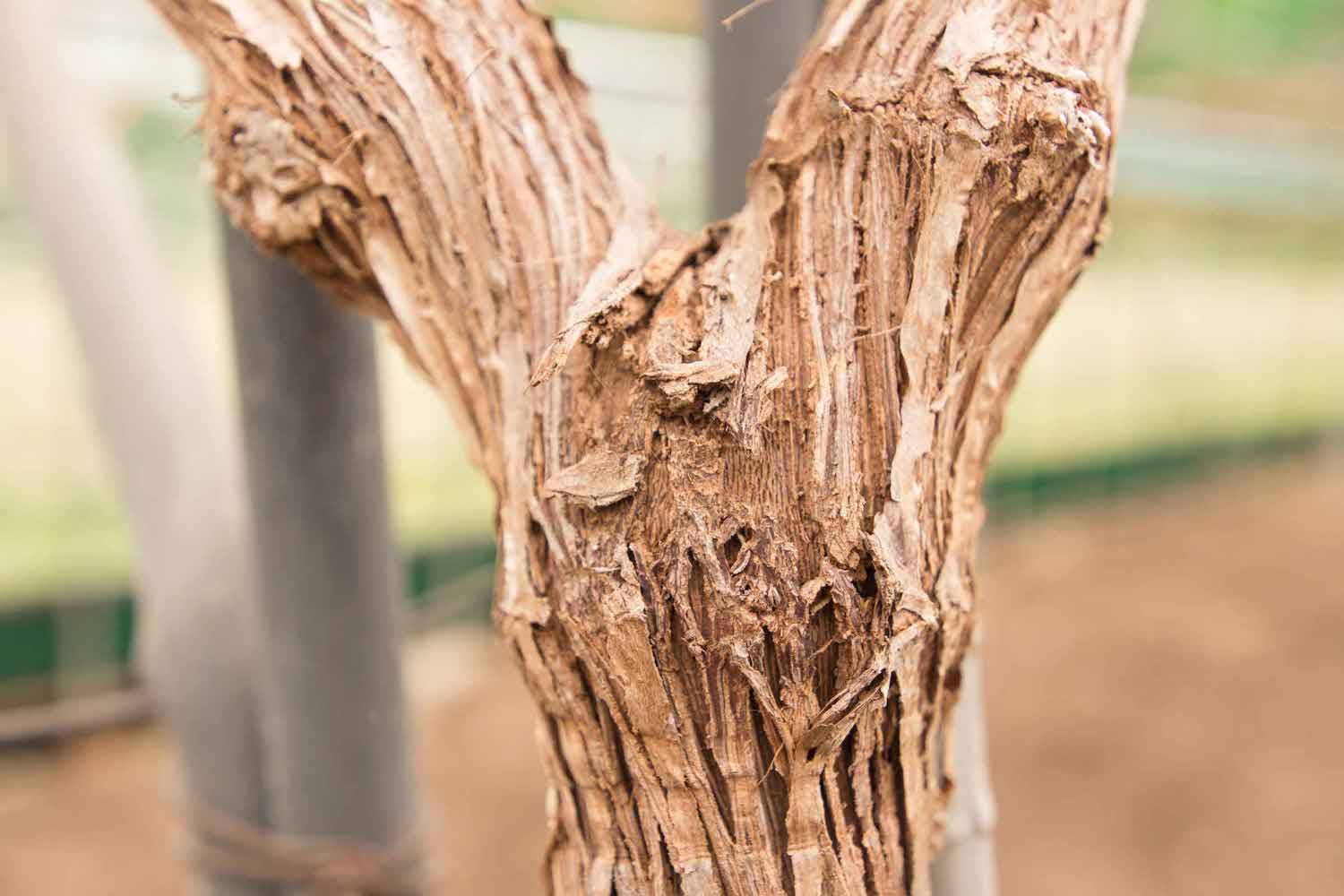
Muscat of Alexandria is a Muscat variety grown in many parts of the world and widely used for both table consumption and winemaking. Its history is ancient, and tracing its origins leads back to Egypt on the African continent. From Egypt, it is said to have spread through the port of Alexandria to various parts of the world. So long has it been cherished that Cleopatra herself is said to have eaten it. With its captivating fragrance, it earned the name “Queen of Fruits,” enchanting people across generations.
In Funao, Muscat of Alexandria has been cultivated since 1886. For more than 130 years, its cultivation has been carefully handed down from generation to generation, forming an essential part of the region’s agricultural heritage.
Today, however, Muscat of Alexandria faces a serious challenge. Farmers are aging, vineyard sizes are shrinking, and signs of abandoned cultivation are increasing. At the same time, the expansion of seedless, easy-to-eat varieties has gradually replaced Muscat of Alexandria in the marketplace. Compared to the past, its production has declined dramatically.
Matsui spent many days questioning what he could do in response to this situation.
Ultimately, he decided to devote his life to two essential commitments: to cultivate Muscat of Alexandria with dedication and care, and to allow people to experience its unique aroma and elegant sweetness, both as fresh fruit and as wine. Demonstrating the true deliciousness of wine produced from this grape is central to his mission. Through his work, he seeks to ensure that this historic variety continues into the future.
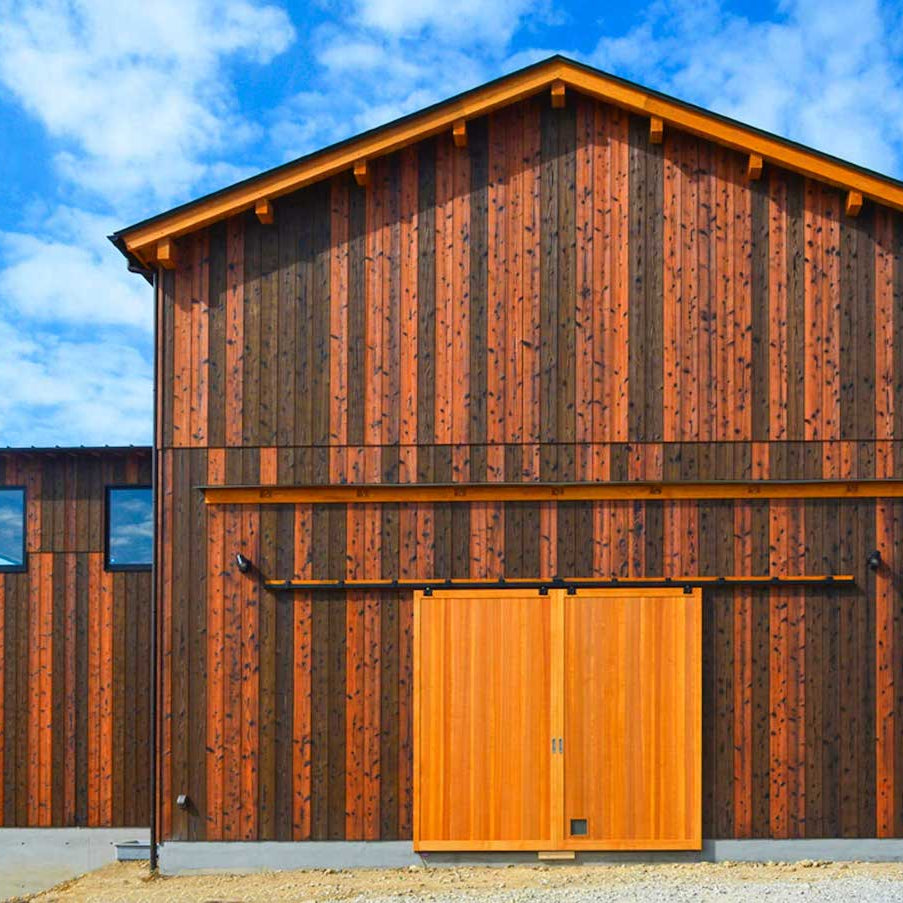
When building his winery, Matsui had one strong wish: that the structure be made primarily from wood. Because the wine is vinified from grapes grown in the land of Funao under the sun of the Seto Inland Sea, he wanted a space surrounded by warmth and natural materials rather than an artificial, industrial facility.
He also embedded his philosophy into the outer walls. As someone who intends to continue living in this land, always hearing the breath of nature, he wanted the winery to blend seamlessly into the surrounding mountains. To create an exterior that would not distract from the breathtaking landscape, he randomly inlaid wood in two different colors, achieving a design that harmonizes with its environment.
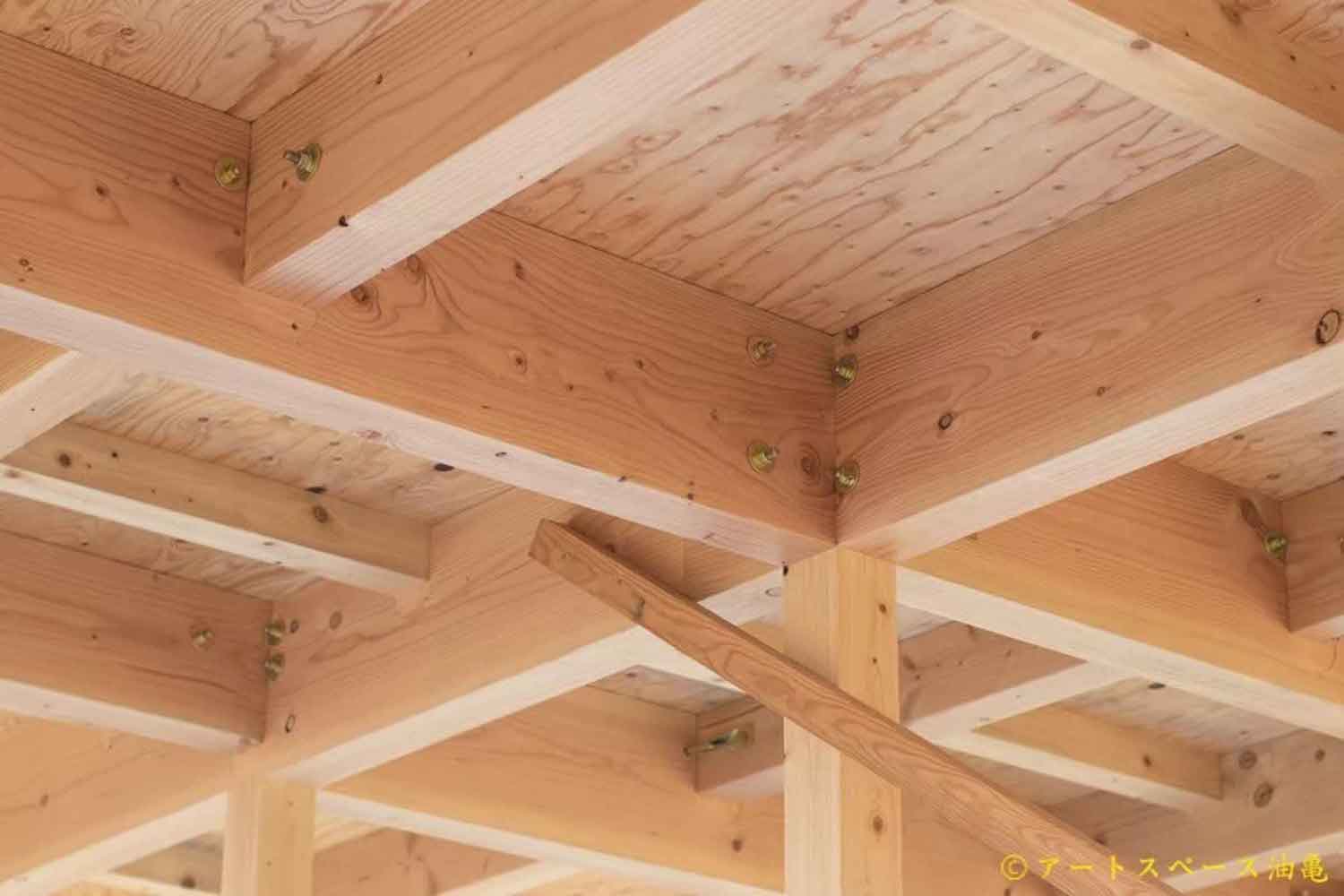
The building includes a mezzanine level designed specifically for winemaking. Matsui believes in valuing the grapes’ pure charm and flavor. For this reason, he made it possible to move wine using gravity flow rather than pumps.
Gravity flow is characterized by reduced impact during movement and less stress on the wine compared to mechanical pumping. This gentle handling allows the wine to more faithfully express the authentic flavor of the grapes.
The winery is not only Matsui’s starting point but also an irreplaceable place where he will continue to produce great wines for many years to come. For this reason, he aimed to create a winery that exists in complete harmony with the land of Funao.
“The wines I make are produced from organically grown grapes and nothing but grapes. The alcohol is low and the finish is light, but I believe this reflects the terroir of Japan, where rainfall is abundant. They pair well with Japanese cuisine, so please enjoy them with Japanese food.”
— Kazunori Matsui
now €130,15 €137,00


€38,00

